7 min read
Self Defense Classes for Women: Are They Worth It?
Written by Christian Anders · Updated October 29, 2026
Self defense classes promise confidence and safety — but they vary enormously in quality. Here's what different classes actually teach, what to look for, and whether they're worth your time and money.
What a good self defense class teaches
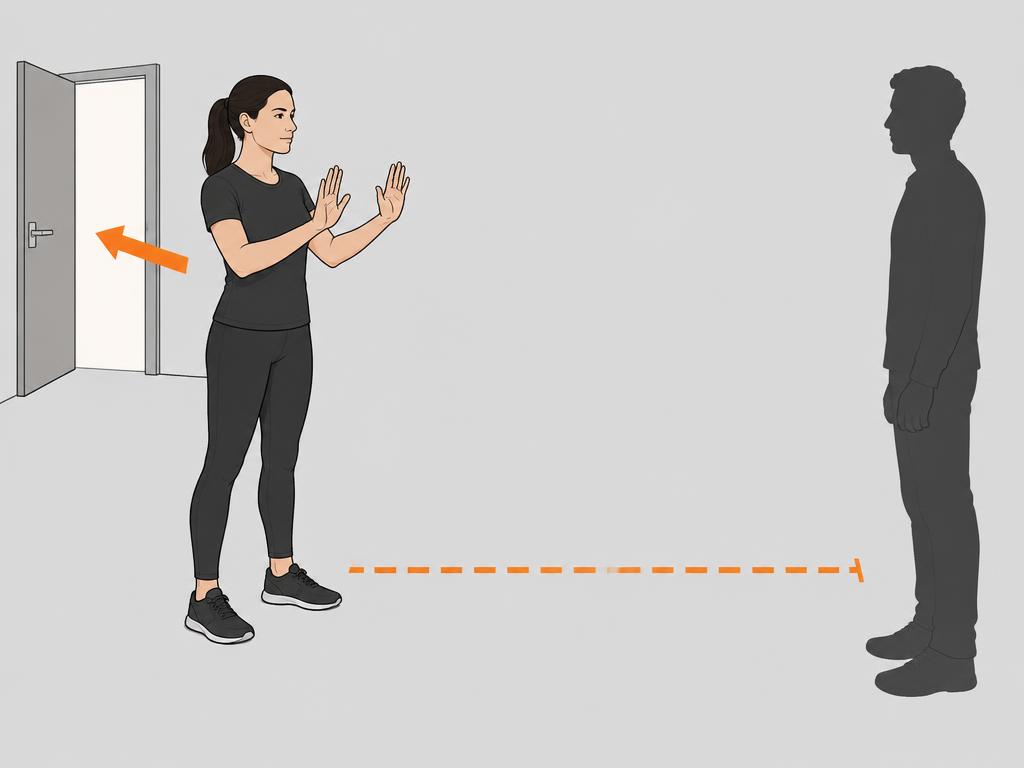
- Awareness: spotting risk early and avoiding it.
- Boundary setting: using your voice and body language.
- De-escalation: talking your way out where possible.
- Simple physical techniques: strikes, escapes from grabs.
- Escape: the goal is always to get away, not to win a fight.
Types of classes
- Women's self defense workshops — short courses focused on realistic scenarios.
- Krav Maga — often includes scenario-based self-defense drills; curricula and safety practices vary.
- Brazilian Jiu-Jitsu — focuses on grappling and ground positions; ask how the class addresses escape and safety.
- Boxing and kickboxing — focus on striking practice and conditioning; not all classes include self-defense scenarios.
- Muay Thai — includes punches, kicks, knees, elbows, and clinch work; beginner contact levels vary.
Why training for women's bodies matters
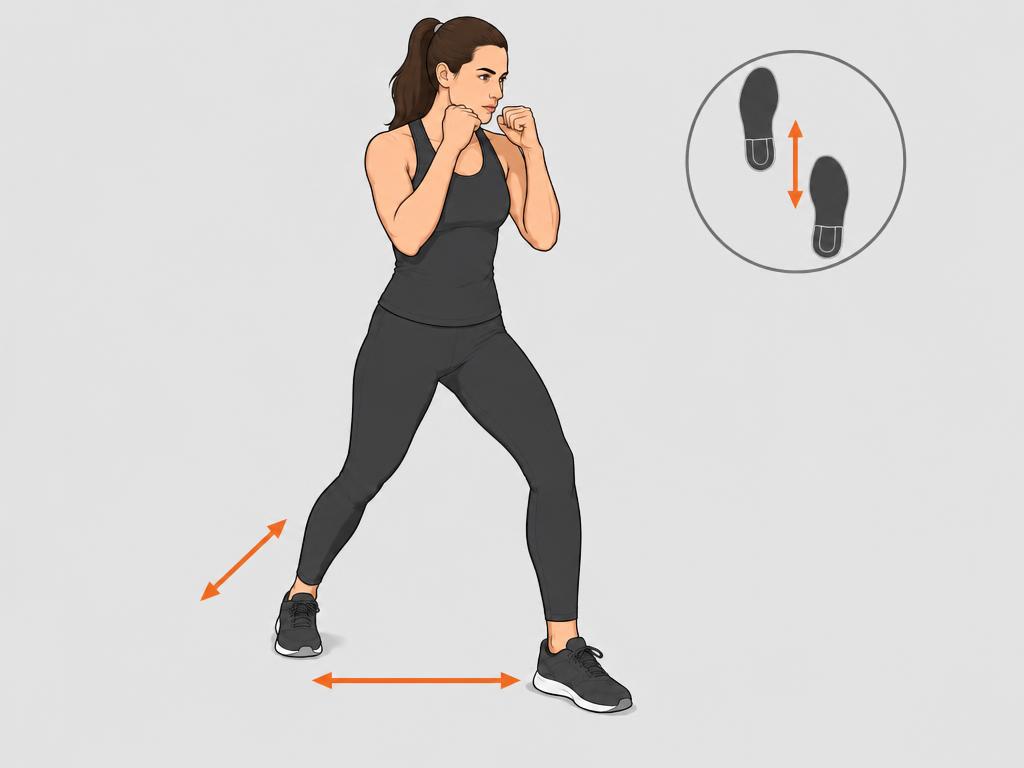
Body size, reach, mobility, and strength can affect which options feel accessible. A good program adapts to the individual rather than promising one technique for all women. Look for awareness, boundaries, de-escalation, and escape alongside physical practice. [1–3]
Ask how instructors adapt drills for different bodies, disabilities, and comfort levels. Participation should be voluntary, with alternatives available. Responsibility for violence always rests with the person causing it, not with someone who did not train or respond in a particular way. [1, 2]
How much do classes cost?
Prices vary by location, instructor, and course length. Ask for the full cost, including equipment and any membership commitment. Check local community centers and universities for subsidized options, and compare teaching quality as well as price.
What to look for in an instructor
- Experience teaching women specifically.
- Focus on avoidance and escape, not just fighting.
- A supportive, non-intimidating environment.
- Practice with clear consent, safety rules, and the option to skip or adapt a drill. [1–3]
- No promises that one move will 'stop any attacker'.
Red flags
- Overly complex techniques that won't work under stress.
- Instructors who mock or pressure beginners.
- No discussion of awareness or legal self defense.
So, are they worth it?
A well-taught class can introduce useful options and offer feedback you cannot get from an article. Ongoing practice can develop familiarity, but no course guarantees safety. Choose a program that respects your boundaries and avoids blame or unrealistic promises. [1–3]
Frequently asked questions
Sources & further reading
Numbered references support the topics noted below, not every claim or illustration. Checked October 29, 2026.
- National Women's Martial Arts Federation — How to choose a self-defense class
Adaptable instruction, participant choice, and evaluating a program.
- NCASA — Guidelines for Choosing a Self Defense Course
Awareness, assertiveness, options, and survivor-centered teaching.
- Kidpower — How to Choose a Good Self-Defense Program
Safety-first instruction, boundaries, de-escalation, and getting help.
Strong is a skill.
Practice self defense anywhere with Tuff.
Coming soon