8 min read
Boxing for Beginners: The Complete Guide for Women
Written by Christian Anders · Updated October 29, 2026
You do not need to look or move a certain way to begin boxing. Training combines movement and skill practice, and the right beginner class should adapt to your experience and comfort. Here is what to ask, what to bring, and how to approach the fundamentals.
Why boxing works so well for women
- Full-body workout: legs, core, shoulders and back all work together.
- Offers structured practice of stance, footwork, and combinations.
- Can offer an enjoyable training routine; experiences vary.
- Develops boxing skills, but is not a complete self-defense curriculum.
- Gives you specific movement skills to practice and develop at your own pace.
What to expect in your first class
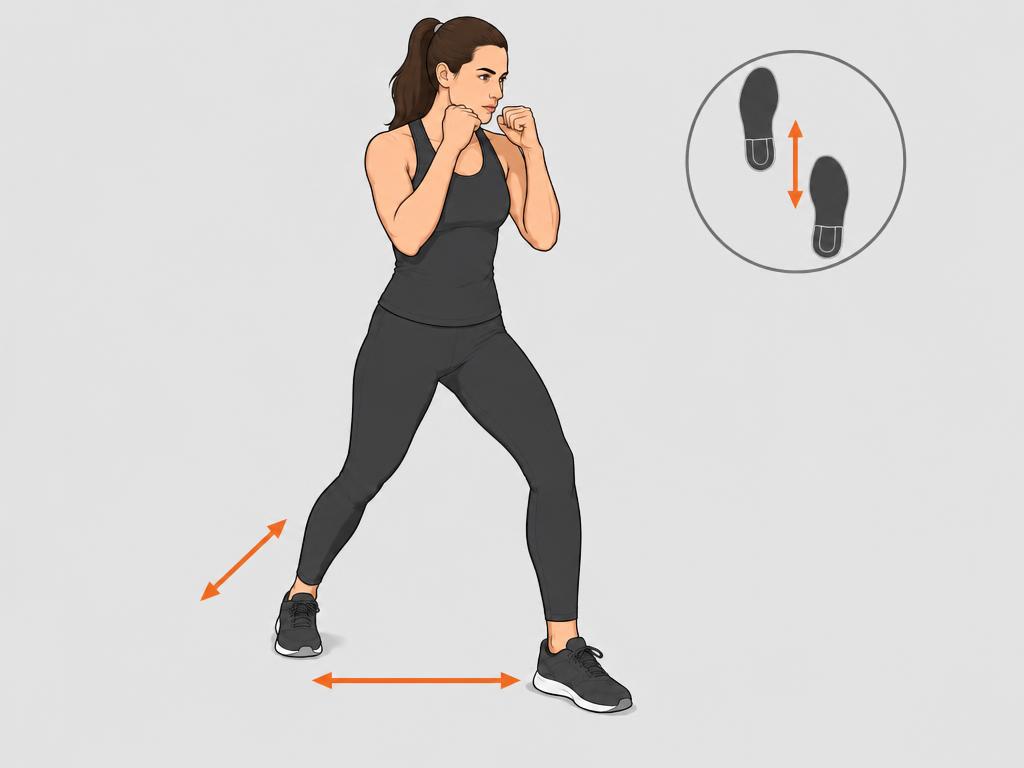
A beginner session may include a warm-up, stance and punch drills, bag work, and conditioning. Fitness studios and boxing clubs vary, so ask what the session includes and whether any partner contact or sparring is expected. You should not be pressured into contact.
Confirm the class length and available beginner adaptations before booking. Tell the instructor about relevant limitations and start at a manageable pace.
Gear you'll need
- Hand wraps — ask the coach to show you how to fit them for impact training.
- Gloves — choose weight and fit with a coach based on your hands, training, and gym requirements, not sex alone. [1, 2]
- Supportive trainers with a flat sole for pivoting.
- Comfortable athletic clothing and any chest support that suits your body.
- Water and a towel.
The six basic punches
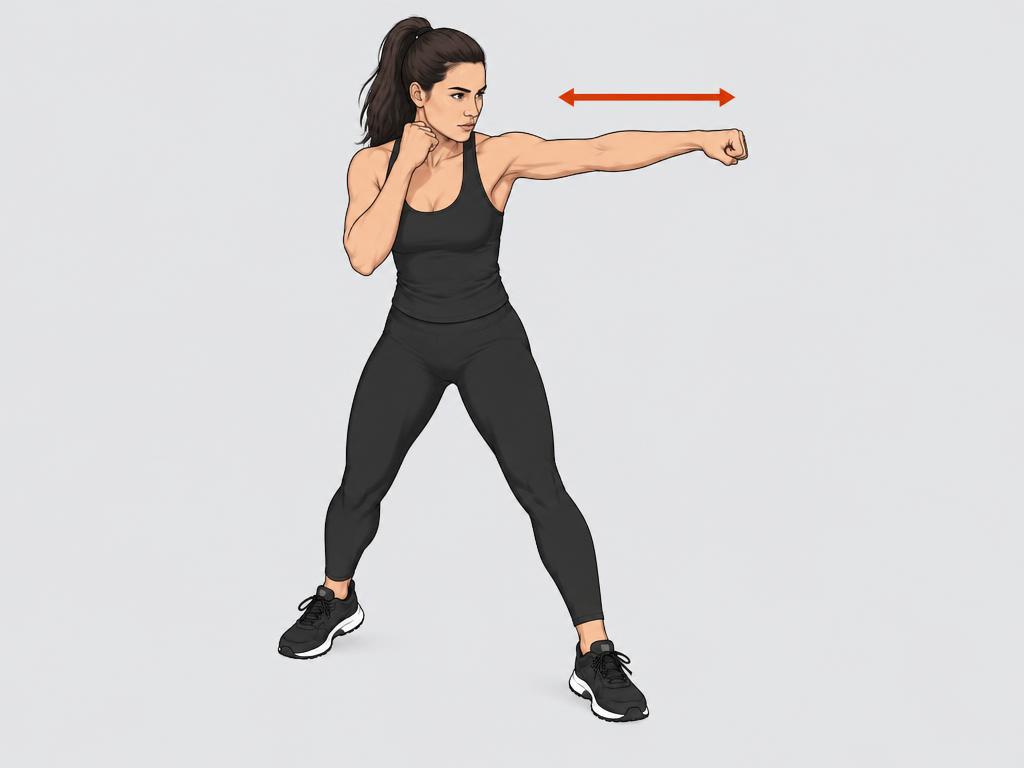
Coaches call out combos by number, e.g. "1-2-3" is jab, cross, lead hook. Numbering can vary by gym, so check the instructor's system.
- 1 — Jab (front hand, straight)
- 2 — Cross (rear hand, straight)
- 3 — Lead hook (front hand, curved)
- 4 — Rear hook (rear hand, curved)
- 5 — Lead uppercut (front hand, rising)
- 6 — Rear uppercut (rear hand, rising)
Footwork basics
Move with small steps, never crossing your feet. Step the foot closest to the direction you want to go first, then follow with the other. Stay on the balls of your feet.
Reach and stride length differ between individuals. Find steps that keep you balanced; do not assume a stance or pace suits you just because it is described as being for women. [1, 2]
Adjusting technique for your body
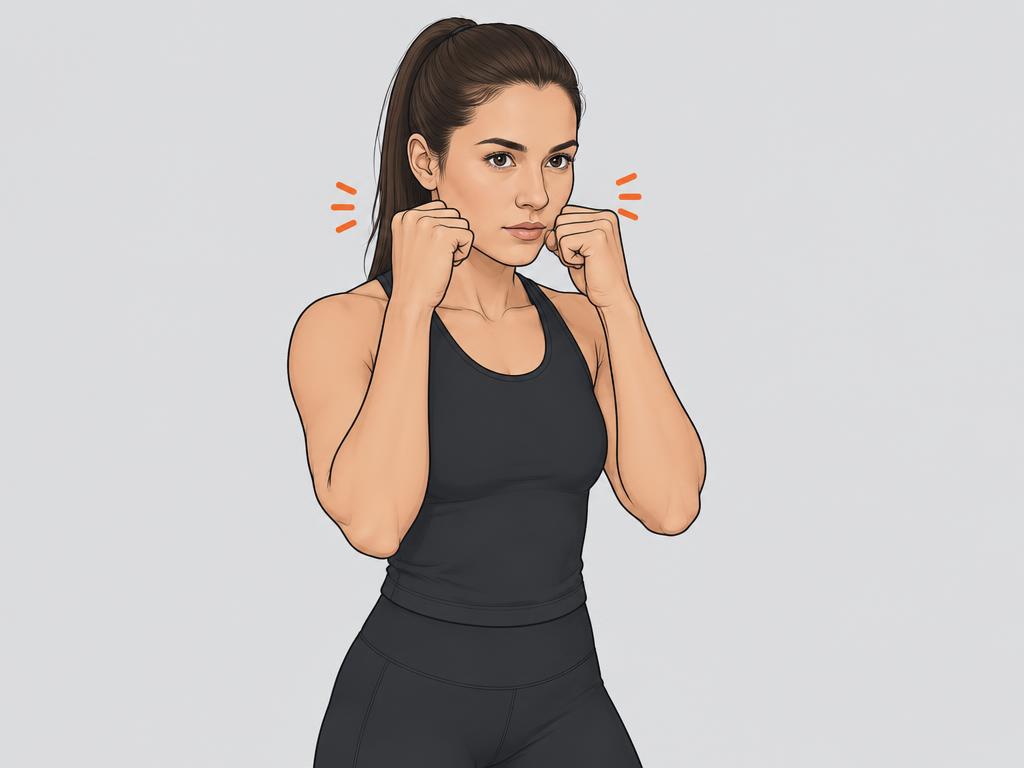
- Choose a comfortable stance width for your proportions and balance.
- Coordinate feet, hips, shoulders, and arms rather than relying on arm effort alone.
- Ask a coach to adapt your guard for chest shape and shoulder mobility while keeping your hands up.
- Fit wraps and gloves to your own hands; keep wrist alignment controlled. Hand injuries are not limited to one body type. [1–3]
How often should beginners train?
Start at a frequency that allows you to recover, and adjust with your coach. Easy non-contact practice can complement classes, but do not train through hand or wrist pain. [3]
Studio, gym or home?
Compare the actual curriculum rather than the label: a studio may emphasize fitness, while a boxing club may offer technical coaching and contact training. Shadowboxing at home needs no bag, but it lacks live feedback and cannot replace supervised partner work.
Frequently asked questions
Sources & further reading
Numbered references support the topics noted below, not every claim or illustration. Checked October 29, 2026.
- Boxing Canada — Instruction-Beginners Reference Material
Beginner stance, footwork, straight punches, and coaching safety.
- England Boxing — Level 2 Coaching Handbook
Coaching fundamentals, training, punchbag work, and individual adaptation.
- Cleveland Clinic — Boxer's Fracture
Hand fractures from impact, warning symptoms, and medical treatment.
Strong is a skill.
Practice self defense anywhere with Tuff.
Coming soon